
Skimmers. Swimmers. Divers. The Three Audiences Your Content Strategy Has to Serve Simultaneously
Most organizations are producing content for one audience mode and wondering why the other two aren't responding.
The first thing I did when I arrived at Microchip Technology was sit down with the YouTube analytics for two channels, a main marketing channel and a developer-help channel, and try to understand what we had actually built.
I wanted to know what types of videos we made, why we made them, which ones worked, and whether any clear pattern explained the difference. What I found had nothing to do with quality, talent, or budget.
It was a format problem. And beneath the formatting problem lay something more fundamental. We had been producing content as if our audience was a single group, when the data showed three distinct groups, each one needing its own format, its own production approach, and its own definition of success.
We had been optimizing for none of them.
What the data revealed
The majority of our content fell into a few categories: New Product Introductions, Reference Design and Product Demos, Hardware and Software tutorials, and an interview-style Q&A format that had been the flagship content type for years.
The interview videos were the ones that troubled me most. They were production-heavy, slow to edit, and hard on both the team and the talent to film. And they performed poorly, not occasionally but consistently.
The format was an engineer in a studio with a teleprompter, scripted answers, multiple crew members, and an environment that felt, as one engineer put it, surreal. The problem was not that the engineers didn't know their material. They knew it cold. The problem was that the production environment actively worked against what makes technical content valuable: the authentic, unselfconscious transfer of knowledge from someone who genuinely understands to someone who genuinely needs it.
A teleprompter turns knowledge into performance, and an audience that came to learn recognizes the difference immediately, even if they can't name it. Watch time told us everything. Viewers were dropping off at exactly the moments where the scripted language became most visible, the moments where the engineer was reading instead of thinking.
We were producing content that looked expensive and felt hollow, and we had been doing it for years because nobody had looked at the data through the right lens.
That lens, I would eventually understand, was not quality. It was audience mode.
The three modes of attention
The research on attention and content consumption has become more precise in recent years. The average social media attention span dropped to 8.25 seconds in 2025, down from 12.1 seconds a decade ago. Teens toggle between apps every 44 seconds. The average person encounters more than 5,000 pieces of content daily. Content creators who establish a hook in the first three seconds report a 58% increase in average watch time.
Those numbers describe one audience mode. They do not describe all three.
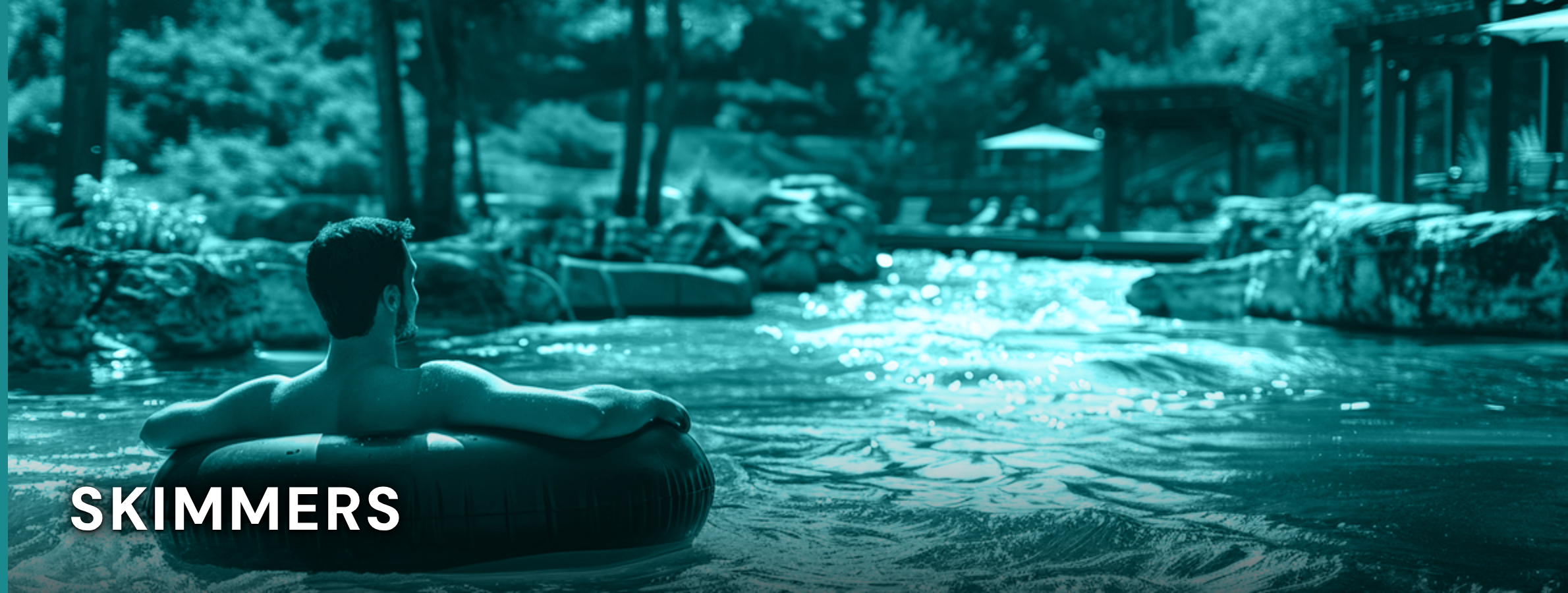
Skimmers operate in fractions of a second. They decide before a word is spoken, in the thumbnail, the opening frame, the visual signature of the content. They are not uncommitted so much as efficient, having developed highly refined filters for what is worth stopping for. When something earns the stop, they engage. The content that wins with Skimmers is not shorter or simpler. It is visually coherent, immediately recognizable, and able to signal its value before the viewer has consciously decided to evaluate it.
The critical data point about Skimmers is also the most sobering. Content under 20 seconds receives 3.7 times more likes and shares than longer content, but only 12% of viewers remember the brand featured. Skimmers are the most numerous audience and the least retained. They are where the journey begins, provided the rest of the funnel is built to carry them forward.
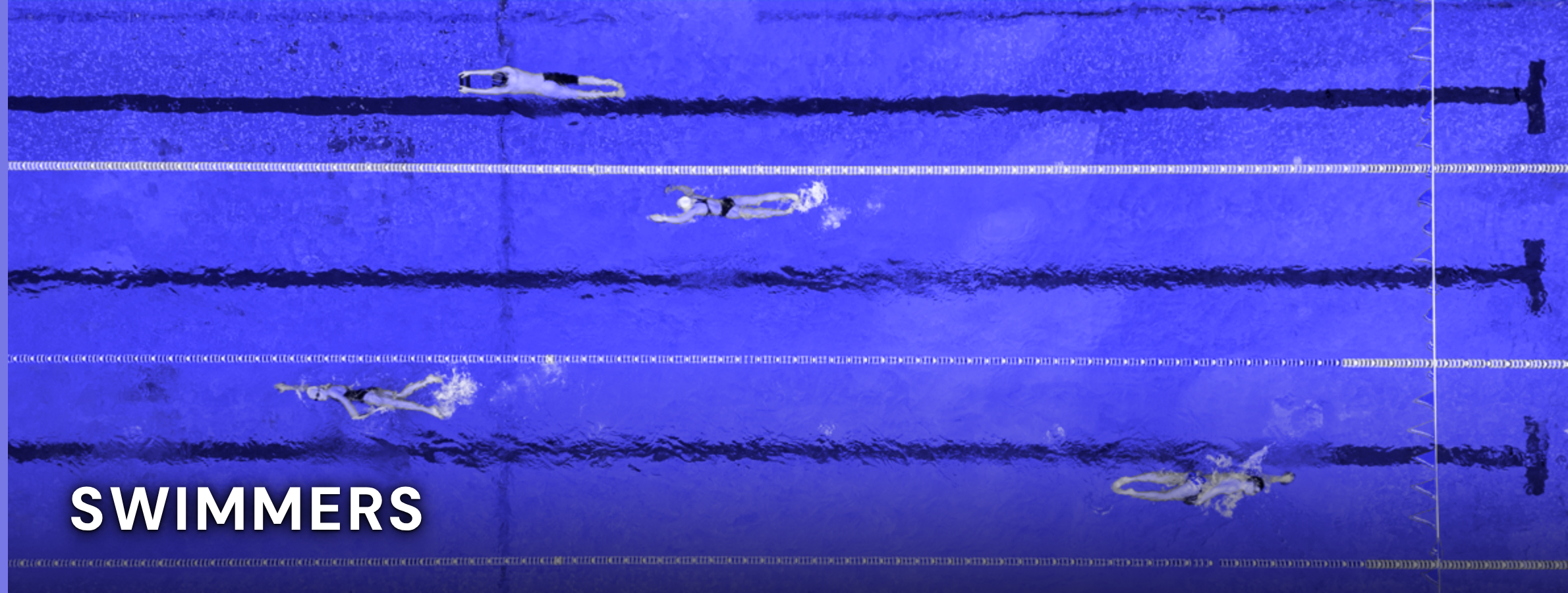
Swimmers stop but don't commit. They will watch 15 to 45 seconds before deciding whether to continue, evaluating whether what's here is worth more of their time. The content that holds Swimmers is not produced content so much as authentic content. Research published in 2025 found that videos perceived as heavily AI-generated or low-effort show an average 70% lower audience retention compared to human-fronted, original content in similar categories. Swimmers are calibrated to detect the authentic human signal at a level most content producers underestimate. Production value will not fool them. Genuine knowledge, enthusiasm, and presence will hold them.
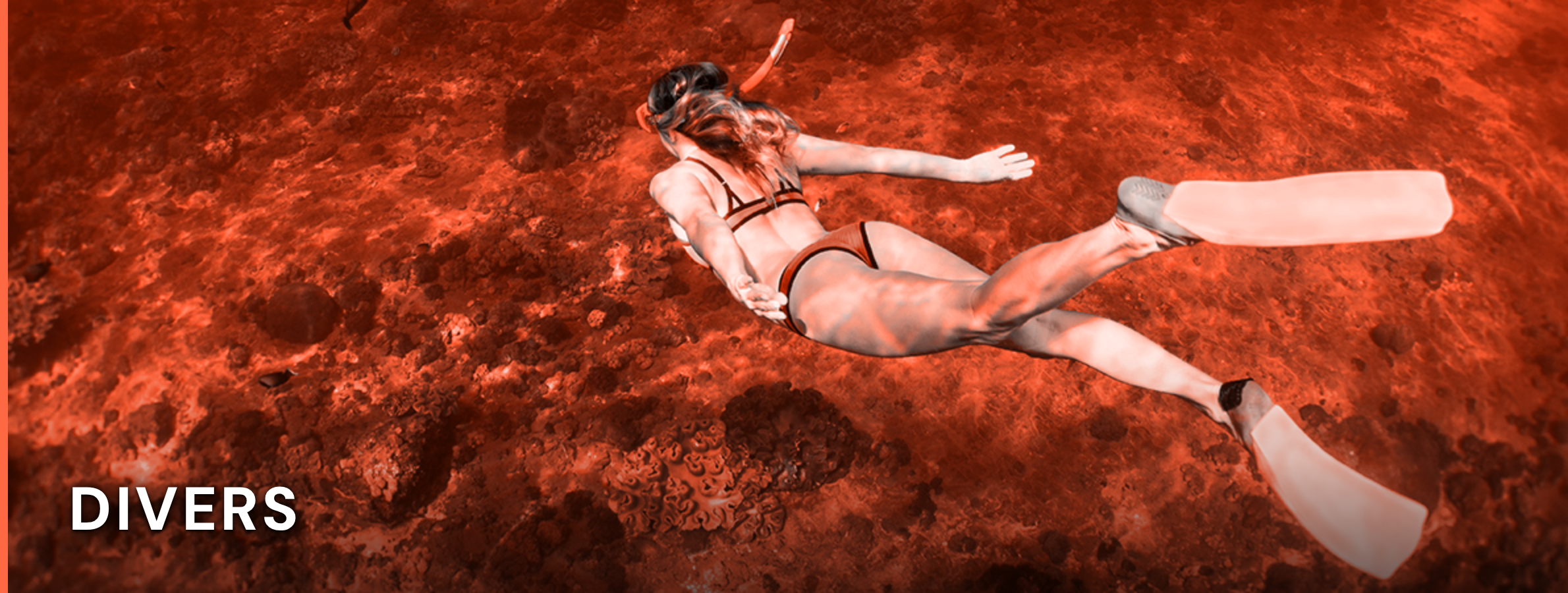
Divers are the rarest and most valuable audience mode. They have already decided to invest time. Research on YouTube watch time benchmarks confirms that 50% retention on content over 15 minutes is exceptional and indicates a highly engaged, niche-specific audience. Divers are 2.5 times more likely to re-watch segments than casual viewers, and they drop off at only 35% in the first 30 seconds when the intro is slow, compared to 60% for casual viewers. They are not watching to be entertained. They came to understand something they couldn't understand before, and the content that serves them is deep for the sake of the insight they came to find, not long for the sake of length.
What we built for each mode
Once I understood the three audience modes, the content strategy at Microchip reorganized itself around a simple question: what format actually serves this audience's mode of attention?
For Divers, we built a new studio. The old studio looked like a news broadcast set, bright and formal, designed for a format that YouTube audiences don't trust. We replaced it with something darker and more textured, closer to an incubator for innovation and tinkering. We abandoned the teleprompter entirely. Engineers would know the content the way a chef knows a recipe they have made a hundred times, well enough to walk someone through it step by step without a script. We built a multi-camera setup: top-down cameras for hardware, screen capture for software, and three cameras for flexible post-production editing. We called the series Welcome to the Lab.
The first three videos we produced in that format included one by Ross Satchell, an engineer who shows you exactly how he built a GPS tracker using hardware and software from Microchip Technology. You can watch him think and work through it, and you can follow along because he isn't performing knowledge, he's sharing it. That video became one of our highest-performing videos of all time.
For Skimmers, we moved product videos to a vendor who could produce them quickly from a sell sheet, keep them under two minutes, and turn them around at volume. The internal argument against this was consistent and understandable: the teams wanted to put the entire sell sheet into the video. What I had to show them, with data rather than intuition, was that most viewers dropped off within 30 to 60 seconds, and every additional minute beyond the first lost more of them. These videos weren't evergreen. Whatever movement they got peaked in the first week after publication, so the most critical information had to live in that initial window. A product video is a highlight, not a document. The sell sheet exists for a reason.
Moving product videos to a vendor freed the internal team from a category of content that was consuming significant production capacity without producing proportional value. That bandwidth was reinvested in Diver content, which compounded.
For Swimmers, we built the self-produced studios, first in Trondheim and then the Chandler micro studio. These studios were designed around the format that Swimmer content requires: accessible, authentic, low-friction production that captures the engineer's genuine knowledge without the performance anxiety of a formal studio. Tutorial content, Q&A format, product demos at scale. Once those studios were online, we reduced our tech support hours, which had been consuming significant team bandwidth to prop up inadequate production infrastructure, and reinvested that time in live-stream content and a new podcast. More Diver content for the audience that had already proven it would stay.
Why serving all three simultaneously require a different production model
The insight that took the longest to fully articulate is this: you cannot serve Skimmers, Swimmers, and Divers from the same production system.
Skimmer content requires visual brand consistency at volume. It needs to be produced quickly and in large quantities, to standards that hold whether it's made by the central team, a vendor, or a department studio. The production model for Skimmer content is standardization and distribution.
Swimmer content requires authentic human presence. It cannot be over-produced or scripted, and it cannot carry the visual and audio markers of institutional broadcasting that Swimmer audiences have learned to filter out. The production model for Swimmer content is access and trust, getting the right people in front of a camera in an environment where they can actually be themselves.
Diver content requires depth, craft, and the full arc of a genuine insight. It cannot be rushed or templated. It requires the kind of flagship production that a central team can deliver only when it isn't spending half its time on content that a studio node or a trained creator could handle.
A centralized production team serving all three modes at once does none of them well. The Skimmer content ends up overproduced and underdistributed; the Swimmer content gets polished into inauthenticity; and the Diver content never gets made because the queue is full of the other two.
This is not a staffing problem or a budget problem. It is a structural problem, and it requires a structural answer.
That answer is in the next post.
Clarity Is the Product is a series by Lumen8 Media on how organizations translate complex ideas into scalable understanding. The next post in the Infrastructure series covers the creator exemplars doing each audience mode consistently well and what the production model can learn from each. Read the full series at lumen8.media.
